Besides acting as a storage house for glycogen, the liver helps in the digestion of fat with the production of bile and even supports in the deamination of amino acids. However, it is also one of the organs prone to various diseases from fatty liver, both alcoholic and non-alcoholic to hepatic cancer, the list is long.
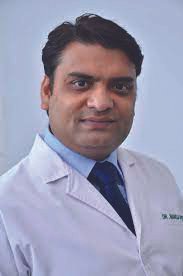
While medicines and surgeries are often suggested to treat the conditions, certain cases call for liver transplant treatment to extend the patient’s lifetime. Although organ transplantation is gradually catching up, it is still mired with myths. On the eve of the World Organ Donation Day, Dr Manoj Gupta, Liver Transplant & Surgical Gastroenterology, PSRI Hospital, Delhi debunks many common myths about living and deceased liver transplant treatment.
Myths about live donor liver transplant
Myth: How will I survive once doctors remove my whole liver?
Fact: A live donor liver transplant involves removing a portion of the liver and not the whole liver from a donor. The liver has the ability to regrow (regenerate) with time (usually 6 weeks) ensuring that both donor and recipient have functional organs after surgery.
Myth: Liver donation at a younger age will affect a woman’s chances of getting pregnant
Fact: Studies have shown that donating a part of the liver does not affect a woman’s ability to have children.
Myth: Liver donation will affect a person’s office work
Fact: Donors can lead a normal life after donation. They usually leave the hospital in a week’s time and are able to do desk jobs within 2-3 weeks’. However, heavy work should be avoided for a period of 3 months. Donors have even returned to physically demanding professions like the army after donation.
Myth: Donors need to take medications lifelong after liver donation.
Fact: This is not true. After discharge from the hospital, the donor needs to take only a few medications and that only for a week or so.
Myth: After liver transplant, the recipient has to survive on heavy medication for the rest of their lives.
Fact: Following a liver transplant, medications are essential to protect the new liver mainly to avoid rejection. However, with time, these medications reduce both in dosage and number and the immune system gets adapted to the new liver.
Myth: I have cirrhosis of the liver and doctors have advised me on liver transplant. How will my life change after a transplant?
Fact: Post transplant, patients lead a normal life with improved quality. They are able to get back to work, support their family and lead a productive life However lifelong follow up is necessary to ensure sustained success of the transplant.
Myths about deceased (cadaveric, brain dead) donor liver transplant
Myth: If doctors know that I am registered to be an organ donor, they won’t work as hard to save my life.
Fact: The first and foremost priority of any medical professional is to save the lives of sick/ injured people coming to the hospital. Organ donation is not even considered or discussed until after death is declared.
Typically, doctors and nurses involved in a person’s care before death are not involved in the recovery or transplantation of donated organs.
Myth: My religion doesn’t support organ donation.
Fact: Most religions support organ donation. Moreover, religions view organ donation as an act of charity and goodwill.
Myth: My family will be charged for donating my organs.
Fact: Costs associated with donating organs for transplant are not passed on to the donor family. The family may be expected to pay for medical expenses incurred before death is declared.